These Transportation courses cover a broad spectrum of topics, ensuring you stay current with industry standards and best practices.
 learnformulalearnformula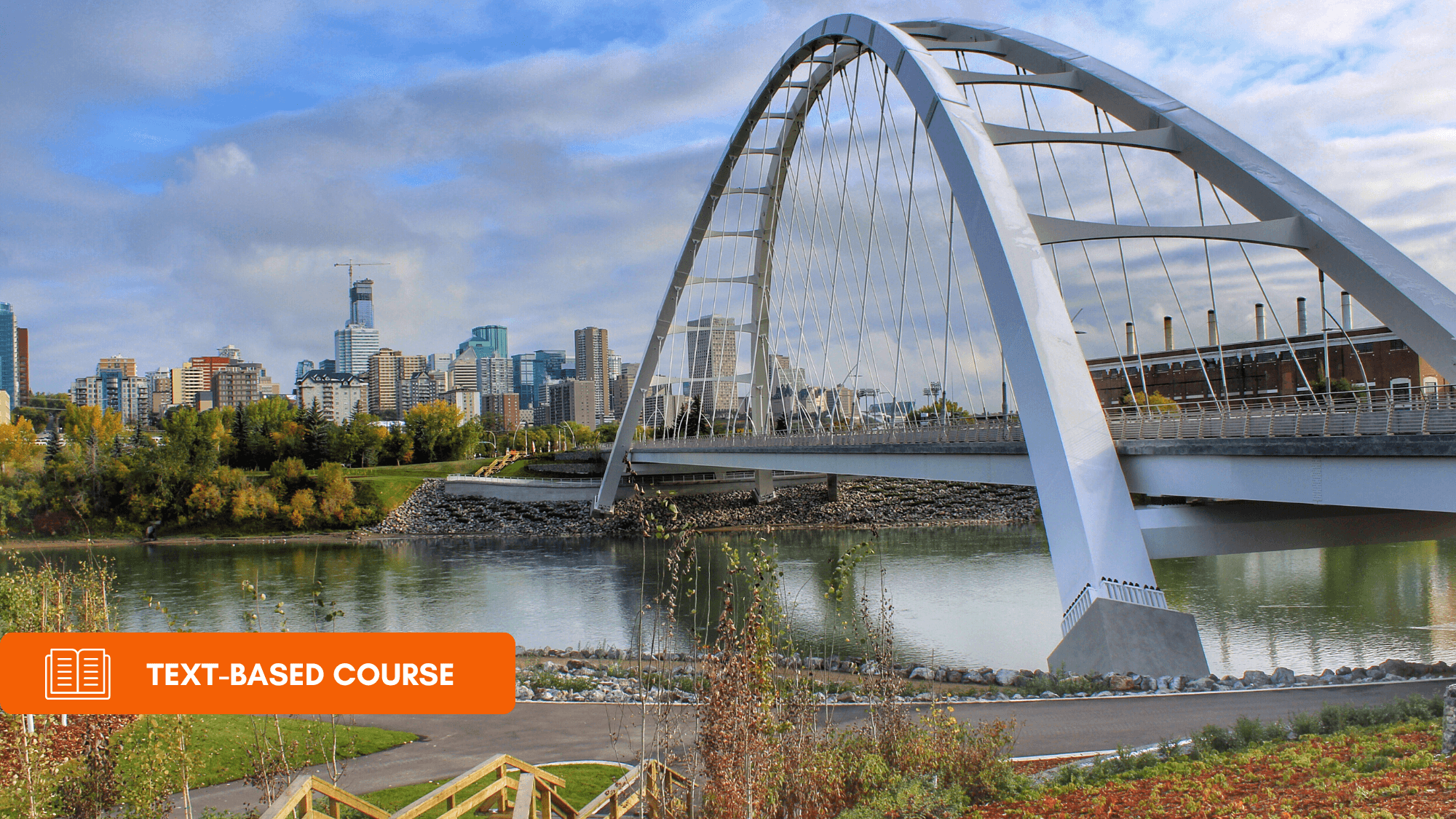
How to set up, run, interpret and maintain a life-cycle benefit-cost analysis that compares highway and bridge improvement alternatives against a do-minimum option in Alberta.

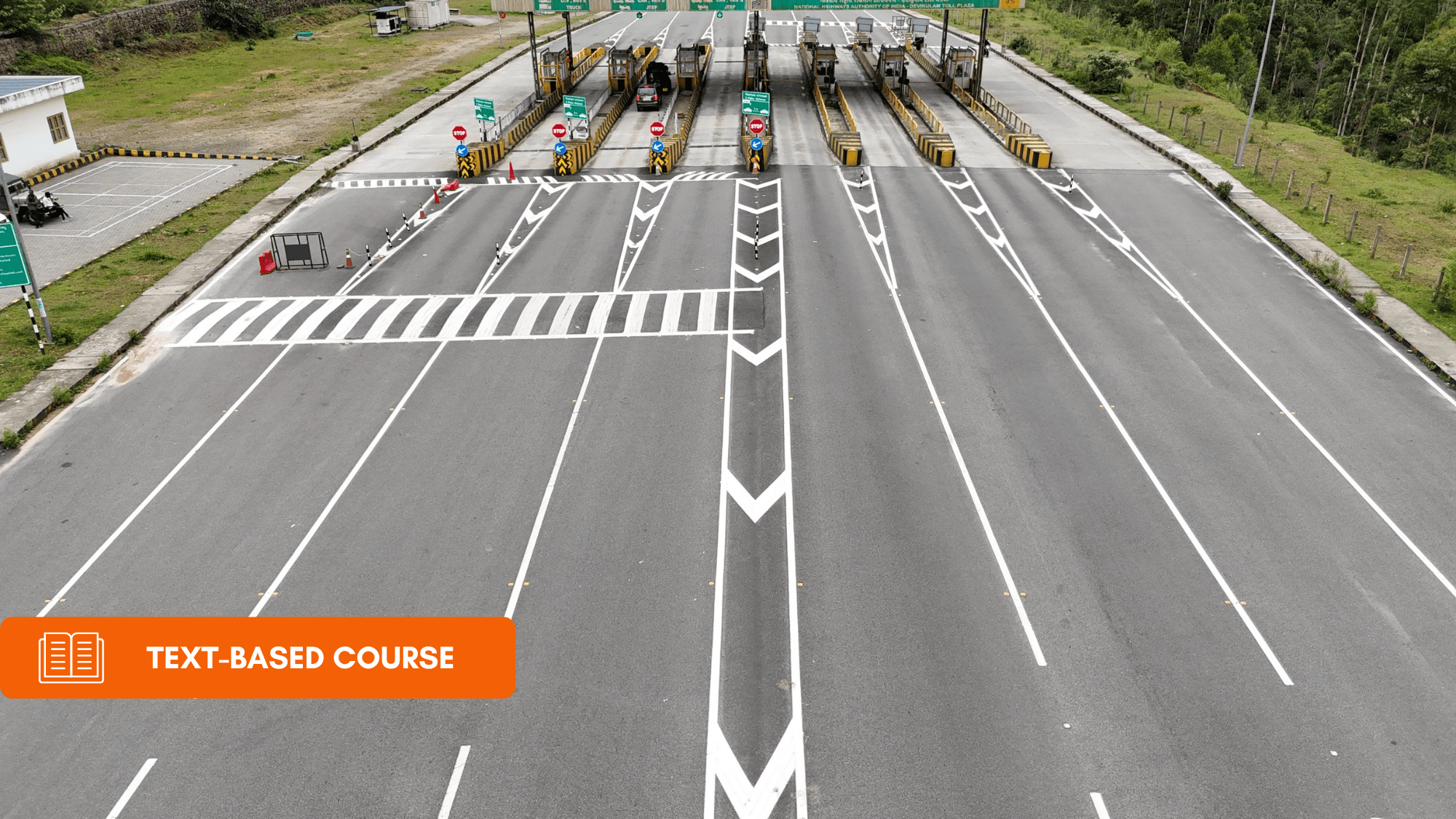
Master end-to-end utility planning, risk mitigation, and provincial standards to prevent costly delays on Alberta highway and infrastructure projects.
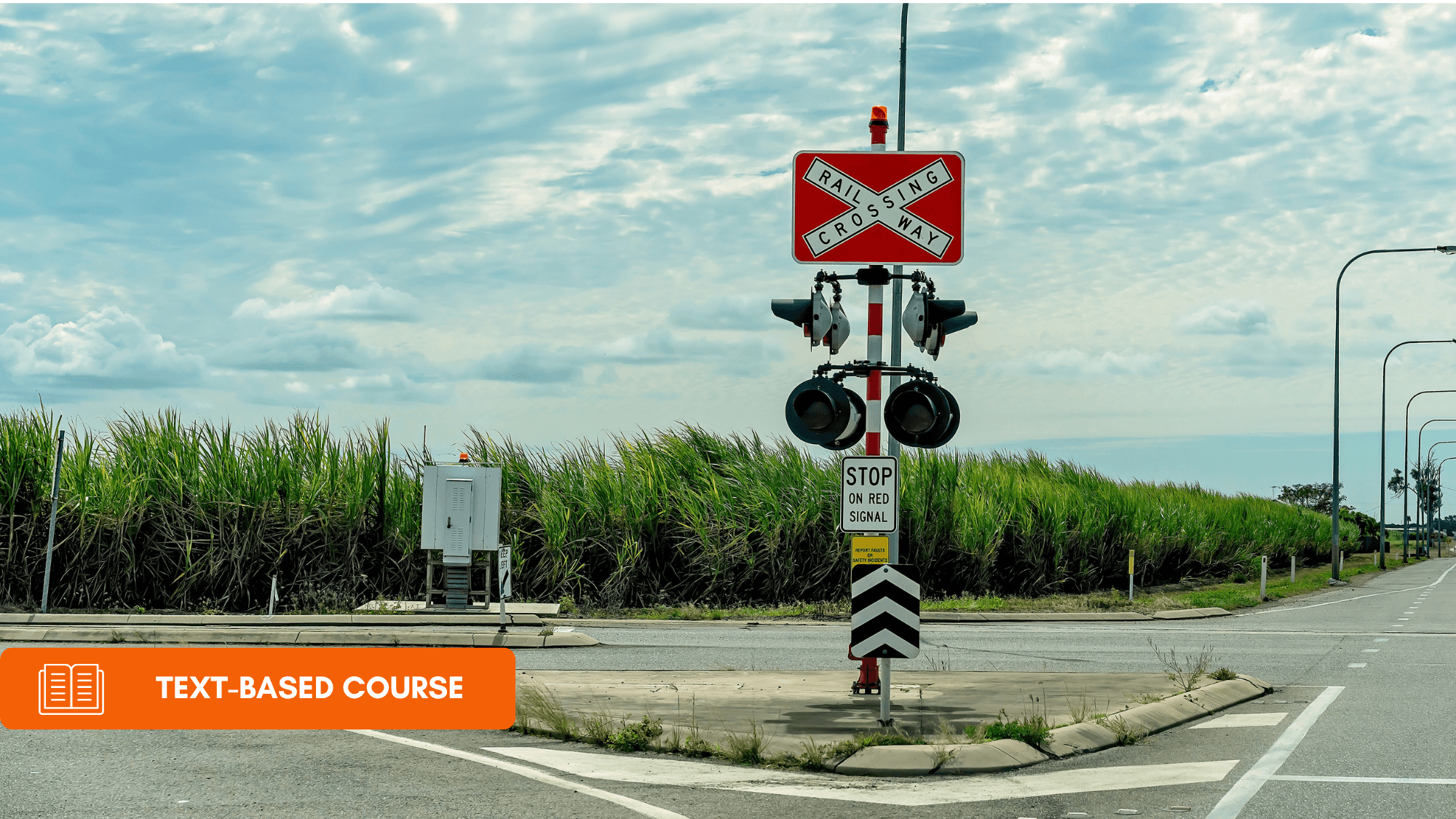
Design criteria for highway medians, pedestrian facilities, typical cross-sections, railway crossings and right-of-way fencing on Alberta provincial highways.


Learn how cross-slope, lane width, shoulders and rural and urban drainage are designed for highways in Alberta, from crown location to culvert selection and stormwater management.
Try LearnFormula Business and buy packages or courses at a discounted group (multi-license) rate.
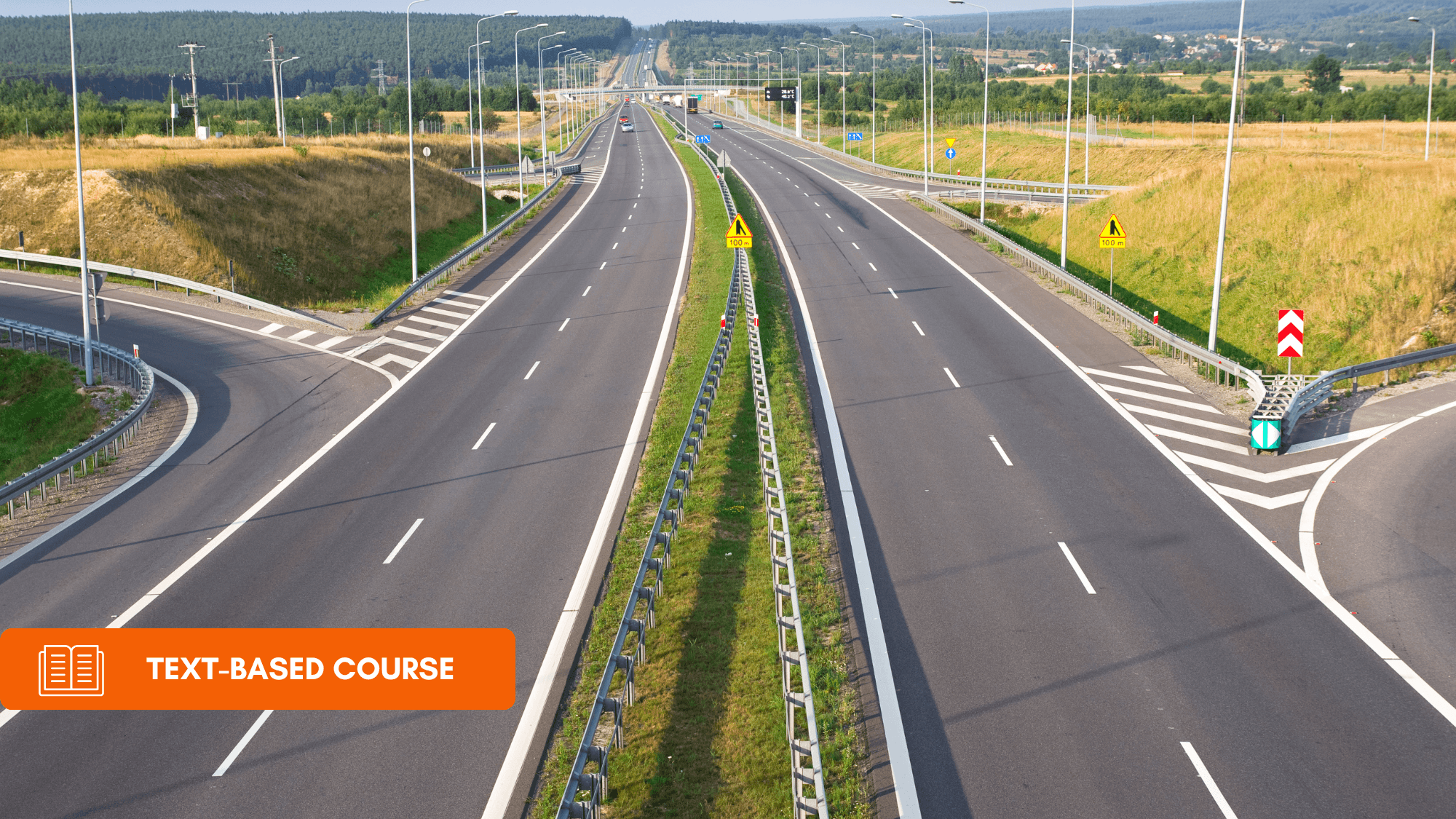
Learn how Alberta highways are classified, how traffic is forecast, and how design speed and design designation set the basic geometry of rural and urban highway projects

Utility searches and coordination, geotechnical investigation and design reporting, surfacing design and aggregate supply, and roadway detailed design for Alberta provincial highways

Provincial design requirements, loads, geometry, materials, foundations and bridge components that apply alongside the Canadian Highway Bridge Design Code

Sight distance, horizontal and vertical curves, superelevation, climbing and passing lanes, and temporary detours on Alberta highways
Master proven speed management strategies and traffic calming designs to reduce severe collisions, protect vulnerable road users, and create highly walkable, thriving communities.

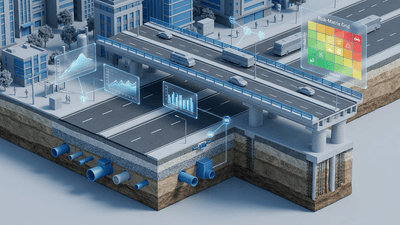
Optimize infrastructure budgets, extend pavement lifecycles, and implement data-driven maintenance strategies to build safer and more sustainable local road networks.