
search
Design criteria for highway medians, pedestrian facilities, typical cross-sections, railway crossings and right-of-way fencing on Alberta provincial highways.
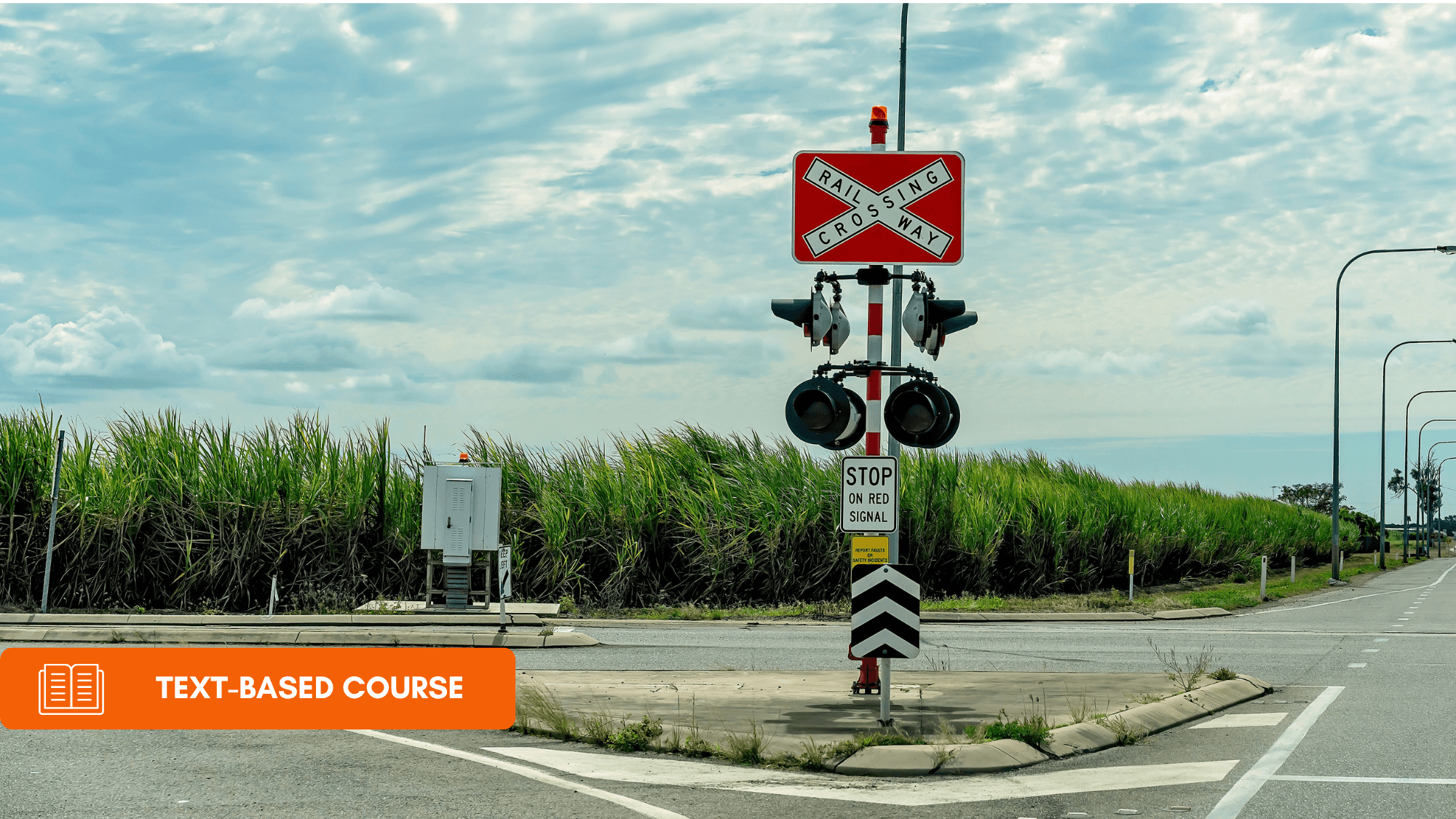
Cross-section decisions made at the design stage shape the safety, staging and life-cycle cost of a highway for decades. This course examines how median type and width are selected on divided highways in Alberta, including depressed, raised and flush medians, centreline spacing for long combination vehicles, and the spacing and geometry of emergency and maintenance median crossovers. It then turns to safe, accessible pedestrian environments, covering streetscape layout, sidewalk ramps and tactile cues, curb and gutter types, boulevards, and accommodation of cyclists on urban highway sections.
The course also explains strategies for retaining existing pavement width during rehabilitation, new construction and grade-widening, including allowance for future asphalt concrete pavement overlays, and reviews typical rural and urban cross-sections by design designation. Railway crossings are addressed in depth: at-grade crossing geometry, sightline and warning system requirements under federal grade crossing regulations, grade separation warrants, overpass and underpass clearances, cost sharing and work on railway property. The course closes with the purpose, classes, placement and cost responsibilities of highway fencing, and touches on environmental approvals for highway drainage.
What Will Be Covered:
Environmental approvals, drainage patterns and wetland protection for highway drainage works
Depressed, raised and flush medians, including centreline spacing for long design vehicles
Median crossover spacing, placement, signing and geometric details
Accessible pedestrian design: streetscape, sidewalk ramps, tactile cues, grates and street furniture
Curb and gutter types, curb placement relative to barriers, and boulevard design
Strategies to retain pavement width through rehabilitation, new construction and grade-widening
Typical rural and urban cross-sections by design designation, including bike lanes and multi-use paths
Railway at-grade crossing geometry, sightlines, warning systems and cost sharing
Railway grade separation warrants, overpass and underpass clearance requirements, and encroachment on railway property
Highway fencing requirements, fence classes, placement and construction and maintenance costs

Professional online education for engineers and technical professionals
Engineering Education Group provides online professional development and continuing education courses for engineers, technical professionals, and industry practitioners. Our programs focus on practical skills, technical knowledge, industry standards, and lifelong learning through flexible and accessible online education.