
search
Master end-to-end utility planning, risk mitigation, and provincial standards to prevent costly delays on Alberta highway and infrastructure projects.
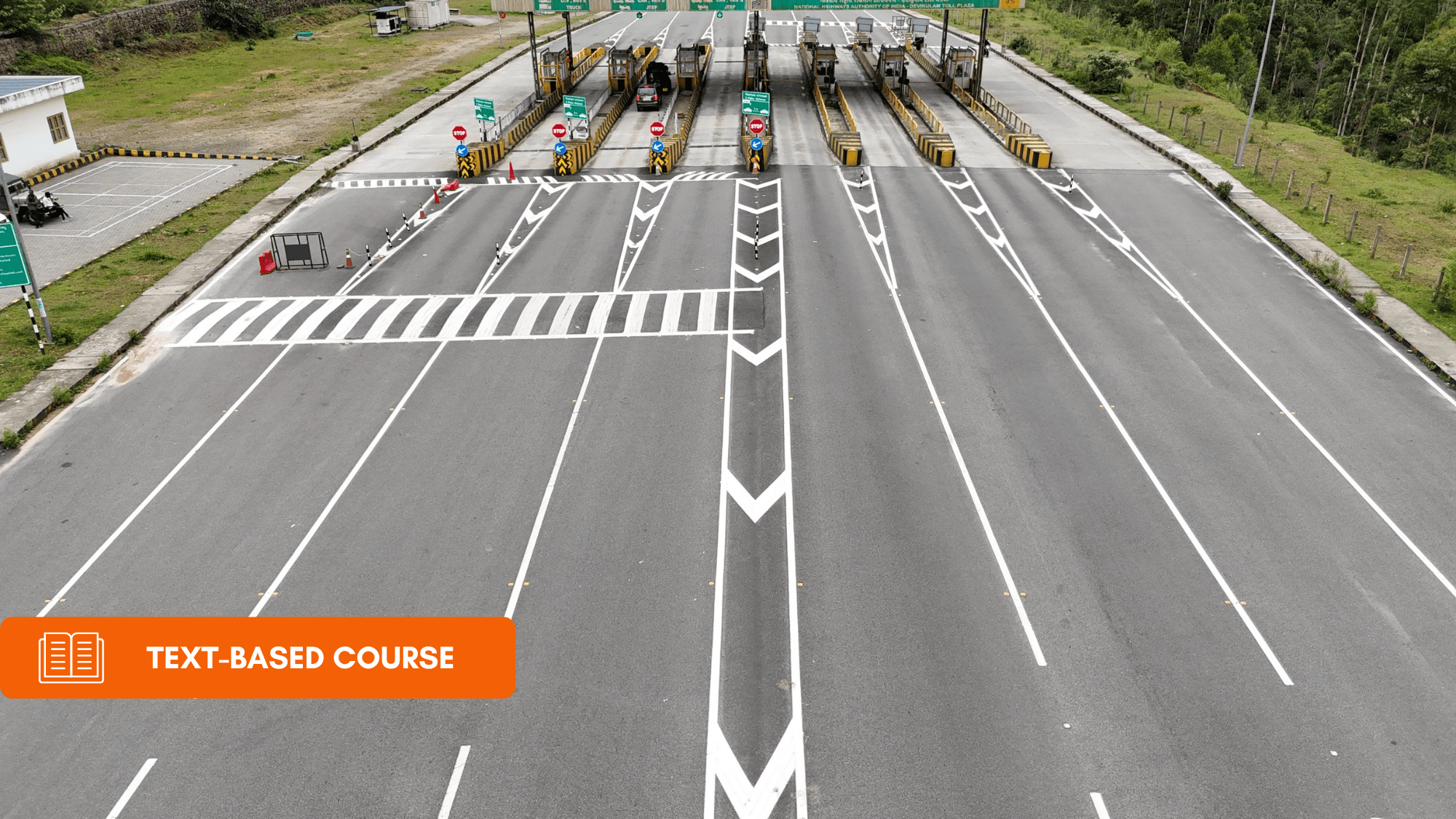
Unresolved utility conflicts are one of the most common causes of delay and cost growth on highway projects. This course explains the standardized utility coordination process used on design-bid-build provincial highway projects in Alberta, where all affected utilities are expected to be relocated before construction begins and ideally before tender. Learners examine the objectives of early, consistent coordination, the partnering relationship between the highway owner and Utility Owners, and the defined roles of the owner's project staff, design consultants, contractors and utility companies. The course also introduces the core coordination tools, including Subsurface Utility Engineering (SUE) selection criteria, utility base plans, utility conflict matrices, composite utility plans and standard coordination letters.
The course then follows the project life cycle step by step. Learners see what utility information must be gathered and delivered during functional planning, scope development and consultant procurement, and how conflicts are confirmed, resolved and documented through preliminary and detailed design using utility adjustment matrices, coordination meetings and utility agreements. Later stages cover utility adjustments completed before tender, utility requirements in tender packages, managing adjustments that must occur during construction, and close-out activities such as inspection, final invoicing and acceptance of record drawings. Annual early engagement sessions and the provincial utility map built from Geographic Information System (GIS) data shared by Utility Owners round out the process.
What Will Be Covered:
Objectives, benefits and partnering principles of a standardized utility coordination process
Roles and responsibilities of the owner, design consultant, contractor and Utility Owners
Utility coordination tools, including SUE selection criteria, utility base plans and utility conflict matrices
Utility early engagement and information gathering during functional planning
Utility information in scope development and consultant terms of reference
Conflict identification and resolution through preliminary and detailed design
Utility adjustment matrices, coordination meetings and utility agreements
Utility adjustments before tender, tender requirements and adjustments during construction
Close-out inspection, final invoicing and record drawing acceptance
Provincial utility mapping using GIS data shared under confidentiality agreements

Leading Global Provider of Cutting-Edge Engineering CPD Courses
The Global Engineering Excellence Institute (GEEI) is a leading provider of Continuing Professional Development (CPD) courses designed to meet the evolving needs of engineers worldwide. Established in 2010, GEEI has a proven track record of delivering high-quality, industry-relevant training that empowers engineering professionals to stay at the forefront of technological advancements and best practices. Our comprehensive course offerings cover a wide range of disciplines, including civil, mechanical, electrical, and software engineering, ensuring that our learners receive the most up-to-date and practical knowledge. With a focus on practical application, GEEI's courses are developed by industry experts and are recognized by leading engineering bodies globally. We are committed to fostering a culture of continuous learning and professional growth, helping engineers achieve their career goals and contribute to the advancement of the engineering profession.