A practical course on managing surface water, solid and hazardous wastes, household wastewater, energy use and neighbour nuisances on Alberta farmsteads using beneficial management practices.
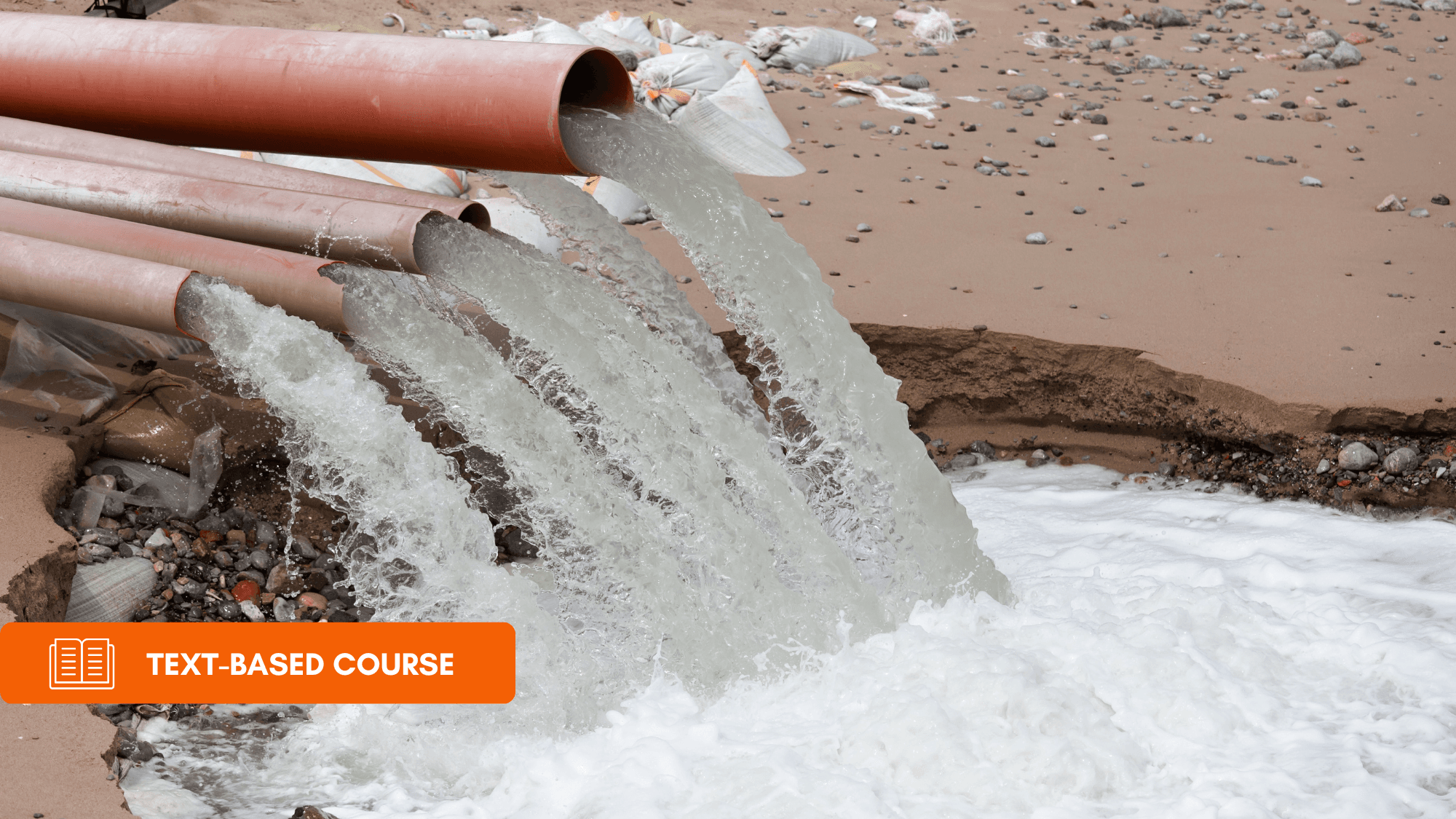
Runoff, wastes and wastewater from a farmstead can carry nutrients, pathogens and chemicals to streams, wetlands and wells if they are not managed well. This course explains how surface water pathways form and how to manage them around manure storage and composting sites, livestock pens, mortality disposal sites, silage storage and sewage disposal fields, using grassed waterways, diversions and siting choices. It then reviews options for reducing, reusing, recycling and disposing of farm wastes, including restricted burning, household hazardous waste, medical and veterinary waste, livestock mortalities, pesticides and empty containers, treated seed and used oil, with reference to the federal and Alberta legislation that governs each practice.
Household wastewater management is covered through the design, siting and maintenance of private sewage treatment systems such as holding tanks, septic tanks, packaged plants, sand filters, disposal fields, treatment mounds, open discharge systems and lagoons, along with problem wastewaters and greywater options. The course also examines farm energy efficiency, from energy assessments and water and space heating to building envelopes, motors, ventilation, lighting, tractors, shelterbelts and renewable energy, and the role of building and energy codes. It closes with practices for limiting dust, smoke, odour and noise and for preventing and resolving conflict with neighbours. The content suits engineers who design or advise on rural facilities.
What Will Be Covered:
Surface water pathways and runoff control around manure, livestock, silage and mortality sites
Waste reduction, reuse, recycling, burning restrictions and disposal options for common farm wastes
Household hazardous, medical and veterinary wastes and livestock mortality disposal methods
Disposal of pesticides, pesticide containers, treated seed and used oil
Design, siting, types and maintenance of private sewage treatment systems
Problem wastewaters and greywater options
Farm energy assessments, water and space heating, envelope, motors, ventilation and lighting
Tractor efficiency, shelterbelts, renewable energy and building and energy codes
Managing dust, smoke, odour and noise and resolving conflict with neighbours
Federal and Alberta legislation affecting farmstead environmental management

Leading Global Provider of Cutting-Edge Engineering CPD Courses
The Global Engineering Excellence Institute (GEEI) is a leading provider of Continuing Professional Development (CPD) courses designed to meet the evolving needs of engineers worldwide. Established in 2010, GEEI has a proven track record of delivering high-quality, industry-relevant training that empowers engineering professionals to stay at the forefront of technological advancements and best practices. Our comprehensive course offerings cover a wide range of disciplines, including civil, mechanical, electrical, and software engineering, ensuring that our learners receive the most up-to-date and practical knowledge. With a focus on practical application, GEEI's courses are developed by industry experts and are recognized by leading engineering bodies globally. We are committed to fostering a culture of continuous learning and professional growth, helping engineers achieve their career goals and contribute to the advancement of the engineering profession.
