Master O. Reg. 406/19 to prevent costly project shutdowns, minimize liability, and streamline soil tracking from planning to final disposal.
Ontario's excess soil framework has significantly changed how construction and infrastructure projects manage, characterize, track and reuse soil generated during excavation activities. Under O. Reg. 406/19, project leaders and consultants must consider reuse planning, soil characterization, documentation requirements and regulatory obligations before excess soil leaves a project site. As implementation milestones continue, failure to properly manage excess soil can create project delays, enforcement risks and increased costs.
This course examines the practical application of Ontario's On-Site and Excess Soil Management Regulation, focusing on the workflows, documentation and decision-making processes required for compliant soil management. Participants will explore the roles of project leaders, Qualified Persons, contractors and receiving site owners, including assessment requirements, sampling and analysis planning, soil characterization, reuse options and registry obligations. The session also considers recent regulatory changes and how they affect future project planning, beneficial reuse and disposal decisions.
Key Topics Discussed:
Overview of Ontario's On-Site and Excess Soil Management Regulation (O. Reg. 406/19)
Roles and responsibilities of project leaders, Qualified Persons and site owners
When excess soil reuse planning and registry requirements are triggered
Excess Soil Registry notices and compliance documentation
Assessment of past uses and site history considerations
Sampling and analysis plans and soil characterization reports
Soil quality standards and reuse eligibility
Beneficial Reuse Assessment Tool applications
Selecting compliant receiving sites and reuse pathways
Managing disposal, landfilling and regulatory restrictions
Recent amendments and changing compliance timelines
Documentation practices for ministry review and enforcement readiness
Practical workflows for infrastructure, redevelopment and construction projects
2 activities • 1 videos • duration: 1h 3m
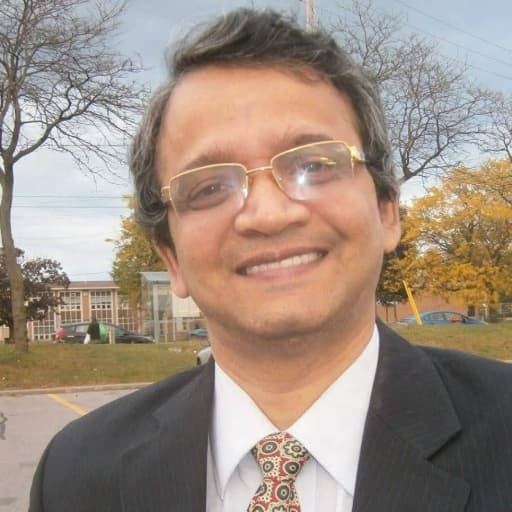
Owner | CCE Engineering
A K M Saiduz Zaman is the owner of Civil, Construction, and Environmental Engineering. He received his PhD in Civil Engineering from Concordia University. Dr. Zaman has over twenty-two years of professional experience in civil, building, and environmental engineering, hydrodynamic and water quality studies, and water and wastewater engineering. He worked for approximately four years as a Civil Engineer with URS Corporation in Tallahassee, Florida. His association with URS dates back to 1995, when he worked with Woodward-Clyde International. Throughout his career, Dr. Zaman has alternated between professional practice and academic pursuits. In 2006, he completed his doctoral dissertation at Concordia University, focusing on the treatment of groundwater contaminated with arsenic and organic material. Dr. Zaman has applied his expertise to numerous projects, including surface water and deep-sea geohazard modelling. He has used the programming languages FORTRAN and MATLAB to implement numerical methods. He is also experienced in the application of standard process-based transport models, including the SMS models FESWMS, RMA2 & 4, ADCIRC, M2D, StormNET, XPSWMM, PCSWMM, the HEC suite of models, as well as CAD, GIS, STAAD Pro, STAAD Foundation Advanced, Mathcad, and Microsoft Office programs. Dr. Zaman is a licensed Professional Engineer in Ontario and a Certified Associate Project Manager. He has extensive experience in both academic and workplace curriculum development and has been responsible for delivering a wide range of work-related, subject-specific, technical, and job-specific training. Dr. Zaman has applied his expertise across a broad range of disciplines, including Water Supply and Sewerage, Storm Water Management, Environmental Engineering, Hazardous Waste Management, Engineering Aspects of Chemical and Biological Processes, Engineering Aspects of Site Remediation, Fate and Transport of Contaminants in the Environment, and Design and Analyses of Experiments. Dr. Zaman has planned, directed, coordinated, and budgeted a wide variety of construction projects, including commercial, industrial, and residential buildings. He has also conducted preliminary Phase 1 and Phase 2 Environmental Site Assessments for owners of commercial buildings. These studies involved quantitative risk assessments, including hazard identification, exposure assessment, toxicity assessment, and risk characterization. In addition, Dr. Zaman has developed workplace curricula by setting learning objectives based on needs assessments, selecting subject matter and teaching methods appropriate for construction workers, developing learning materials and activities, and evaluating learning outcomes. He has also delivered environmental, health, and safety training.
