The purpose of this course is to widen the professional engineer’s understanding of engineering ethics, through consideration of seven case studies of bribery.
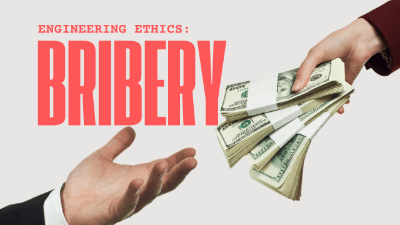
Bribery may be defined as something of value given with the intent of influencing the judgment or conduct of a person in a position of trust. Bribery is one of the few crimes mentioned explicitly in almost all engineering Codes of Ethics or Standards of Conduct, perhaps because so many engineers are involved in the awarding of construction contracts—a widespread activity that by its nature is especially susceptible to covert influence arrangements.
The purpose of this course is to broaden the professional engineer’s understanding of engineering ethics by examining seven case studies of bribery. The studies are actual cases that have been successfully prosecuted by agencies of the federal government.
The ethical aspects of the bribery cases are developed by identifying the particular Standards of Conduct for engineers that were violated by the actions of the convicted engineers.
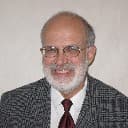
Civil Engneering faculty member for 27 years
Dr. Rossow is a graduate of the University of Michigan with B.S., M.S., and Ph.D. degrees. He is a licensed Professional Engineer in the State of Illinois. He taught civil engineering for over 35 years, including six years at Washington University in St. Louis and 29 years at Southern Illinois University Edwardsville, where he was the Chair of the Civil Engineering Department for ten years. His areas of expertise are in civil engineering and mechanics. He has consulted for various organizations, including government agencies and an international offshore drilling company. He has published numerous technical journal articles and technical reports for a variety of governmental agencies and private sector organizations. Mark P. Rossow, PE, PhD Licensed Professional Engineer in State of Illinois License No. 062.040560 Dr. Rossow is a graduate of the University of Michigan with B.S., M.S., and Ph.D. degrees. He taught civil engineering for over 35 years, including six years at Washington University in St. Louis and 29 years at Southern Illinois University Edwardsville, where he was the Chair of the Civil Engineering Department for ten years. His areas of expertise are in civil engineering and mechanics. He has consulted for various organizations, including government agencies and an international offshore drilling company. He has published many journal articles and technical reports.
