
search
Plan, permit, design and commission hydrogen refuelling stations in Alberta with a clear view of the regulatory approvals, codes and safety requirements involved.
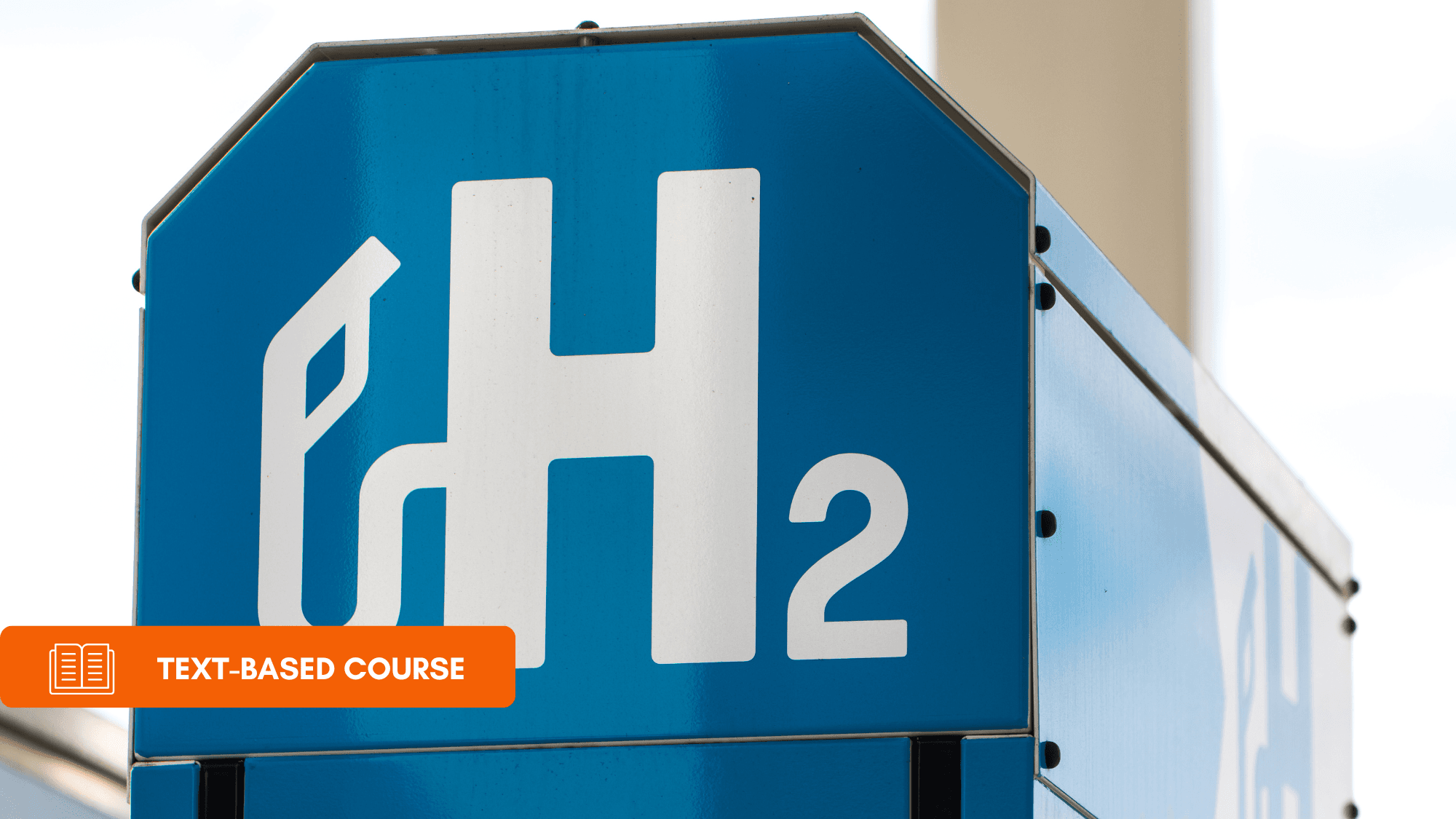
Hydrogen refuelling stations are emerging as key infrastructure for zero-emission light-duty and heavy-duty vehicles, yet their development involves many approvals, technical standards and safety measures. This course introduces hydrogen as a fuel and its classification as a dangerous good, then explains station types and configurations, including delivered and on-site production by electrolysis, gaseous and liquid storage, cylinder types, and dispensing at 350 bar and 700 bar. Learners examine the main equipment chain from production or delivery through compression, storage, cooling and dispensing, along with fuelling protocols, hydrogen quality requirements, embrittlement-resistant materials, pressure relief devices and leak detection.
The course then sets out who regulates what in Alberta, from municipalities and safety codes officers to the provincial pressure equipment safety authority, environmental and utility regulators and occupational health and safety requirements. It reviews the key codes and standards for hydrogen refuelling infrastructure and walks through the development process step by step: site selection, energy and utility assessment, early engagement with authorities and communities, development and building permits, pressure equipment design registration, utility connections, and any emergency response assistance plan (ERAP). Learners finish with construction, pressure testing, commissioning, risk assessment, emergency response planning, staff training and ongoing maintenance.
What Will Be Covered:
Hydrogen properties, dangerous goods classification and fuel quality
Station types, delivery methods and on-site production by electrolysis
Gaseous and liquid hydrogen storage and cylinder types
Compression, cooling, dispensing and fuelling protocols at 350 and 700 bar
Safety features including pressure relief devices, leak detection and embrittlement-resistant materials
Roles of municipal, provincial and federal authorities in Alberta
Key codes and standards for hydrogen refuelling infrastructure
Site selection, permitting, pressure equipment registration and utility connections
Construction, testing, commissioning, emergency response planning and maintenance

Leading Global Provider of Cutting-Edge Engineering CPD Courses
The Global Engineering Excellence Institute (GEEI) is a leading provider of Continuing Professional Development (CPD) courses designed to meet the evolving needs of engineers worldwide. Established in 2010, GEEI has a proven track record of delivering high-quality, industry-relevant training that empowers engineering professionals to stay at the forefront of technological advancements and best practices. Our comprehensive course offerings cover a wide range of disciplines, including civil, mechanical, electrical, and software engineering, ensuring that our learners receive the most up-to-date and practical knowledge. With a focus on practical application, GEEI's courses are developed by industry experts and are recognized by leading engineering bodies globally. We are committed to fostering a culture of continuous learning and professional growth, helping engineers achieve their career goals and contribute to the advancement of the engineering profession.